Glass doors add light and a clean look, but an uncontrolled swing can damage nearby walls, hardware, frames, or the glass itself. The right door stop absorbs impact while preserving the door’s appearance and normal operation.
These 10 options cover common installation points—from clear adhesive bumpers and shower-door protectors to floor wedges and adjustable stainless steel stops—so you can match the solution to your door, surface, and traffic level.
Best 10 Door Stops for Glass Doors Picks for 2026
Clear Adhesive Pick
Transparent Silicone Floor Stopper

- Clear silicone design
- No-drill adhesive installation
- Four-piece pack
Best For: Discreet protection around glass or shower doors
Versatile Spring Choice

- Shock-absorbing spring
- Adhesive or screw mounting
- Rust-resistant aluminum alloy
Best For: Smooth glass surfaces or permanent wall mounting
Renter-Friendly Dual Use
- Wall and floor use
- No-drill adhesive design
- One-inch shock absorption
Best For: Renters seeking quiet, discreet door protection
Best Replacement Bumper

- Two rubber bumpers with four stainless steel screws
- Designed for Pella and similar sliding glass doors
- Cushions impact and helps reduce closing noise
Best For: Replacing worn frame-mounted bumpers on compatible sliding patio doors
Best No-Drill Option
Adhesive Stainless Steel Door Stop

- Works on smooth glass and other surfaces
- Adhesive or screw installation options
- Rubber tip helps reduce impact and noise
Best For: Glass doors and smooth surfaces where drilling should be avoided
Best Wall Protection
Clear Silicone Door Knob Bumpers

- Nearly invisible clear wall protectors
- Soft silicone cushions knob impact
- Six adhesive-backed bumpers included
Best For: Preventing door knobs or handles from marking smooth walls
Non-Slip Wedge Pick
Heavy-Duty Honeycomb Rubber Door Stop

- Honeycomb anti-slip grip
- Works on carpet and tile
- Two-piece rubber wedge set
Best For: Portable door control in homes, offices, and commercial spaces
Clear Adhesive Pick – Transparent Silicone Floor Stopper
For shoppers seeking door stops for glass doors, this four-pack offers a discreet, drill-free option for smooth floors and other clean surfaces. Its clear silicone construction and hemispherical shape cushion door movement while helping protect walls, furniture, and flooring.
Best For: Glass or shower-door areas, bathrooms, offices, and rooms where a nearly invisible floor-mounted stopper is preferred.
Pros:
- Clear silicone blends with surrounding decor.
- Self-adhesive installation requires no drilling or tools.
- Hemispherical design absorbs impact from door movement.
- Four pieces support multiple protection points.
Cons:
- Adhesive installation is intended for clean, smooth surfaces.
- Floor-mounted placement may not suit every door layout.
This is a practical, low-visibility choice when protecting glass doors and nearby surfaces matters more than a heavy-duty permanent mount.
Versatile Spring Choice – Matte Black Wall Door Stop
These door stops for glass doors combine a spring shock-absorbing mechanism with flexible mounting options. The aluminum alloy body has a matte black finish, while the supplied adhesive can be used on smooth surfaces such as glass, tile, or marble.
Best For: Homes, offices, hotels, or other interiors needing a visible wall- or door-mounted stopper with adhesive and screw-installation options.
Pros:
- Spring design helps reduce impact noise.
- Adhesive mounting works on smooth, flat, dry surfaces including glass.
- Screw mounting offers a more permanent option on uneven surfaces.
- Aluminum alloy construction is rust-resistant and sturdy.
Cons:
- Black metal is more noticeable than a clear bumper.
- The two-piece set may require careful placement for the intended door configuration.
Choose this model when you want mounting flexibility and a more finished decorative look than a transparent adhesive bumper.
Heavy-Duty Hardware – Brushed Stainless Floor Stopper
For a more traditional hardware solution among door stops for glass doors, this stainless steel floor stopper provides a sturdy mounting option with a silent rubber bumper. Its brushed nickel finish suits modern interiors and helps limit excessive door opening.
Best For: Installations where a durable floor- or wall-mounted stopper and included mounting hardware are appropriate.
Pros:
- Stainless steel construction is durable and anti-rust.
- Rubber bumper helps protect doors and reduce harsh contact.
- Includes a mounting hardware kit.
- Brushed finish coordinates with modern home accessories.
Cons:
- Only one stopper is included.
- Installation requires mounting hardware rather than a no-drill adhesive setup.
- Metal hardware is less visually discreet than clear silicone.
This is a solid choice for buyers prioritizing durable mounted hardware and a conventional brushed-metal appearance.
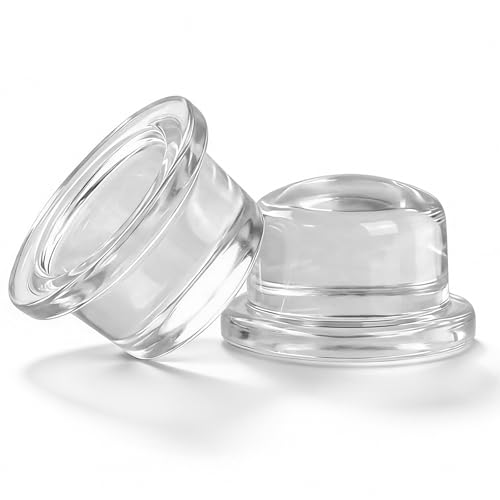
Renter-Friendly Dual Use – Clear Silicone Door Bumper
This clear silicone model is a flexible option for door stops for glass doors, walls, and floors. The one-inch-thick cylinder is designed to cushion impacts, while its self-adhesive, no-drill format suits renters and smooth hard surfaces.
Best For: Renters, apartments, nurseries, bedrooms, and home offices needing discreet impact and noise reduction without drilling.
Pros:
- Clear silicone keeps the protector visually unobtrusive.
- Can serve as a wall bumper or slide under many doors.
- Self-adhesive installation avoids holes and is described as residue-free when removed properly.
- Two-pack supports two doors and can also suit cabinets or appliances.
Cons:
- Adhesive use is intended for smooth or lightly textured surfaces.
- Its 1.54-inch diameter may be more noticeable than a small bumper.
This is the most adaptable pick for temporary, low-visibility protection where reducing door noise and avoiding wall damage are key priorities.
Best Replacement Bumper – Pella Sliding Glass Door Stop
For shoppers seeking door stops for glass doors, this replacement bumper is designed specifically for Pella and similar sliding patio door frames. Its rubber construction creates a cushioned barrier that helps reduce impact and closing noise while replacing worn frame-mounted stops.
Best For: Pella or similar sliding glass patio doors needing a direct bumper replacement.
Pros:
- Includes two rubber bumpers and four stainless steel screws.
- Designed to fit existing door jamb slots with straightforward screw-on installation.
- Rubber construction helps resist cracking and deformation.
- Helps protect the door frame and lock mechanism from impact.
Cons:
- Compatibility is focused on Pella and similar sliding-door hardware.
- This is a frame-mounted replacement, not a universal wall or floor stop.
If your glass patio door uses the matching frame hardware, this pair offers a focused replacement solution. Confirm the existing bumper style and mounting slots before ordering.
Best No-Drill Option – Adhesive Stainless Steel Door Stop
This two-pack is a versatile choice among door stops for glass doors, especially when you want installation without drilling. The adhesive-backed stainless steel stop has a rubber-padded tip to absorb impact, while screw mounting remains available for uneven surfaces or a more permanent installation.
Best For: Smooth glass, metal, wood, or marble surfaces where a no-drill installation is preferred.
Pros:
- Adhesive installation avoids drilling and is intended for smooth surfaces.
- Compatible with glass and several other smooth surface types.
- 304 stainless steel construction resists rust and corrosion.
- Rubber cushioning helps dampen impact and slamming noise.
Cons:
- Adhesive is unsuitable for uneven surfaces; screws are recommended there.
- Its placement options are oriented toward door or wall mounting rather than frame-slot replacement.
This is a practical general-purpose option when surface compatibility and flexible mounting matter. Clean and dry smooth surfaces before applying the adhesive, or use screws for a more secure installation on uneven areas.
Best Wall Protection – Clear Silicone Door Knob Bumpers
These clear silicone bumpers are a useful indirect solution for door stops for glass doors when the main concern is preventing a knob or handle from damaging the wall. The adhesive-backed protectors cushion contact, blend with most wall colors, and come in a six-pack for use throughout the home.
Best For: Protecting walls from door knobs or handles on smooth, fully cured painted surfaces.
Pros:
- Clear design is nearly invisible against different wall colors.
- Soft silicone rubber absorbs impact and helps reduce banging noise.
- Strong adhesive backing installs without screws or tools.
- Six-pack provides coverage for multiple rooms and doors.
Cons:
- Designed as a wall protector behind a knob, not a frame-mounted glass-door stop.
- The 2-inch size may not suit lever handles or large knobs.
- Adhesive requires a clean, dry surface and a 24-hour wait before impact.
Choose this pack when wall protection is the priority and the door hardware strikes a suitable smooth wall surface. Measure the knob first, since larger handles may require a wider protector.
Adjustable Stainless Steel Pick – Heavy-Duty Adjustable Door Stopper
For glass doors that need controlled clearance, this adjustable stainless steel stopper offers a sturdy, polished option for bottom, top, or wall installation. Its 2.7- to 4.2-inch height range helps accommodate varying gaps, while the rubber buffer helps reduce contact damage.
Best For: Buyers seeking an adjustable, heavy-duty door stop for glass-door areas where a durable metal body and impact cushioning are priorities.
Pros:
- Adjusts from 2.7 to 4.2 inches to fit different door-to-floor gaps.
- 304 stainless steel construction provides corrosion resistance and strength.
- Rubber buffer helps protect doors and walls from scratches, scuffs, and impacts.
- Designed for under-door mounting with a smooth polished finish.
Cons:
- Its metal construction may be more substantial than needed for lightweight doors.
- Only one stopper is included.
- The supplied information does not specify installation hardware.
This is a practical choice when adjustability matters more than a low-profile wedge design. The stainless steel body and rubber buffer give it a durable, finished look for modern interiors.
Non-Slip Wedge Pick – Heavy-Duty Honeycomb Rubber Door Stop
This rubber wedge is a straightforward option among door stops for glass doors, especially when you want a removable, floor-level solution. Its honeycomb underside is designed to grip carpet and tile while holding a door open or closed.
Best For: Homes, schools, offices, and commercial spaces needing a portable rubber wedge for carpet or tile surfaces.
Pros:
- Honeycomb grip helps reduce slipping on carpets and tiles.
- Heavy-duty rubber-like construction is designed for regular use.
- Non-toxic material is suitable for homes with children and pets.
- Two-pack provides a spare or allows use in separate locations.
Cons:
- It is a floor wedge rather than a permanently mounted stopper.
- Its effectiveness depends on the available gap and surface grip.
- The supplied notes do not identify a glass-specific protective bumper.
Choose this model for simplicity and portability. It avoids installation and offers a grippy honeycomb design, though users wanting a fixed glass-door solution may prefer a mounted option.
Quiet Adhesive Pick – Self-Adhesive Rubber and Steel Door Stop
For a low-profile approach to door stops for glass doors, this self-adhesive bumper combines a white rubber contact surface with a stainless steel body. It can be mounted on a wall, floor, or furniture and is designed to dampen impact noise.
Best For: Interior doors and glass-door areas where easy installation, sound reduction, and protection from scuffs or dents are important.
Pros:
- Adhesive installation avoids drilling when the mounting surface is clean.
- Rubber construction helps absorb impact and reduce noise.
- Can mount to walls, floors, or furniture.
- Includes an extra sticker for replacement installation.
Cons:
- Adhesive performance depends on proper surface cleaning and bonding.
- Only one stopper is included.
- At 2.56 inches high, it may not suit every door clearance.
This model is a sensible pick when you want a quiet bumper without drilling. Its versatile mounting options are useful around furniture and cabinetry, but check the surface and clearance before installation.
How We Picked These Door Stops for Glass Doors
We focused on installation type, material, impact absorption, adjustability, visibility, and compatibility with glass-door layouts. The selection includes no-drill adhesive products for light-duty protection, floor-mounted and wall-mounted stops for more controlled swings, replacement bumpers for sliding patio doors, and heavier stainless steel designs for frequent use.
Because glass doors vary widely, we also considered where each stop makes contact. A bumper that protects a wall may not be appropriate for a frameless shower door, while a floor wedge may work well for holding a hinged door open but provide little protection from a wide swing.
Quick Comparison
- Best for discreet protection: Clear silicone or transparent rubber wall bumpers.
- Best for shower doors: No-drill rubber stops designed for damp areas and smooth surfaces.
- Best for sliding patio doors: A frame-compatible replacement bumper such as the Pella-style option.
- Best for heavy use: Adjustable or stainless steel stops with rubber contact points.
- Best for carpet and tile: A weighted floor wedge or floor-mounted stopper selected for the specific surface.
Key Buying Factors for Door Stops for Glass Doors
Mounting Location
Decide whether the stop should attach to the wall, floor, door, frame, or hinge area. Wall bumpers are easy to install but require accurate placement. Floor stops offer more predictable control, while adhesive products avoid drilling but depend heavily on surface preparation.
Adhesive and Surface Compatibility
Clean, dry, smooth surfaces generally provide the best bond. Avoid placing adhesive bumpers on dusty, textured, wet, or freshly painted surfaces. Check whether the product is intended for tile, glass, finished wood, metal, or painted drywall before installation.
Impact Protection and Clearance
Look for a soft rubber or silicone contact surface and confirm that the stop will prevent the handle, edge, or frame from striking the wall. Measure the door’s swing and account for trim, baseboards, and hardware. Never position a stop where it concentrates force directly on an unsupported glass edge.
Visibility, Durability, and Maintenance
Clear bumpers blend into minimalist interiors, while stainless steel is usually better suited to repeated impacts. In bathrooms, choose materials that tolerate moisture and clean the contact area periodically so grit does not scratch nearby surfaces.
Who Should Buy Which Door Stops for Glass Doors?
Renters and homeowners avoiding tools should start with clear adhesive or self-adhesive rubber bumpers, provided the mounting surface is smooth and clean. Families and high-traffic households may prefer stainless steel or adjustable stops with replaceable rubber tips. Sliding patio-door owners should prioritize a frame-specific replacement rather than a generic wall bumper. Anyone protecting a frameless shower door should choose a purpose-designed rubber stop and verify that it does not obstruct the door’s seal, hinges, or swing path.
Before buying, measure the door clearance, identify the strongest safe mounting point, and confirm the stop’s dimensions. Correct placement matters as much as the stopper itself: the goal is to limit movement gently, not to stop a fast-moving glass door with a hard impact.